Optimal Timing for Waterproofing Projects
Proper timing for waterproofing projects is essential to ensure effectiveness and durability. The optimal period depends on weather conditions, temperature ranges, and the specific type of waterproofing material used. Generally, dry, mild weather conditions facilitate better adhesion and curing of waterproofing products, reducing the risk of failure.
Spring offers moderate temperatures and lower humidity, making it suitable for waterproofing projects before the heat of summer.
Early summer can be ideal if temperatures are consistent and rainfall is minimal, ensuring proper curing.
Fall provides cooler temperatures and less humidity, which can be advantageous for waterproofing before winter.
Winter is generally unsuitable due to freezing temperatures and increased moisture, which can compromise waterproofing effectiveness.
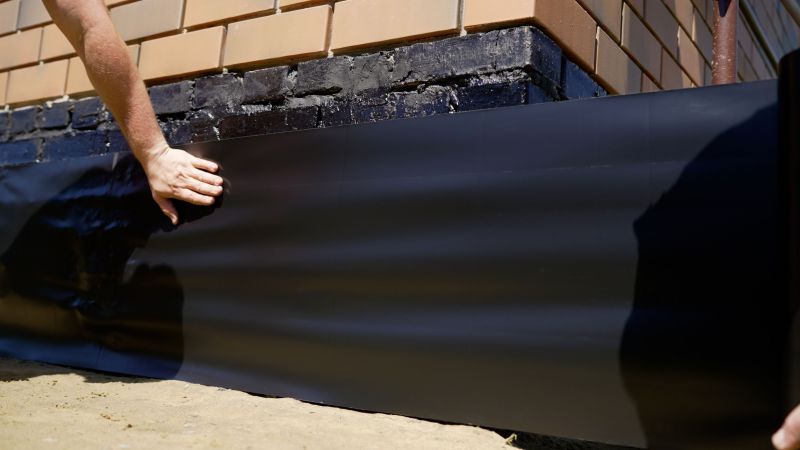
Ways to make Waterproofings work in tight or awkward layouts.
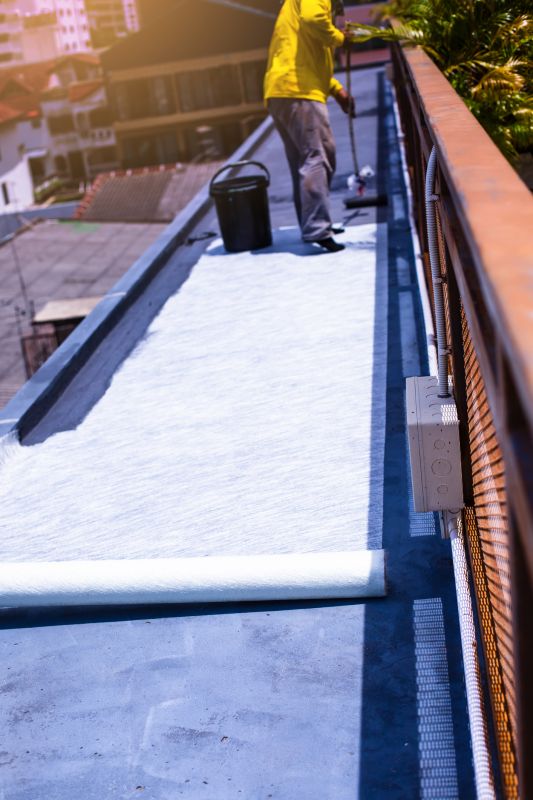
Popular materials for Waterproofings and why they hold up over time.
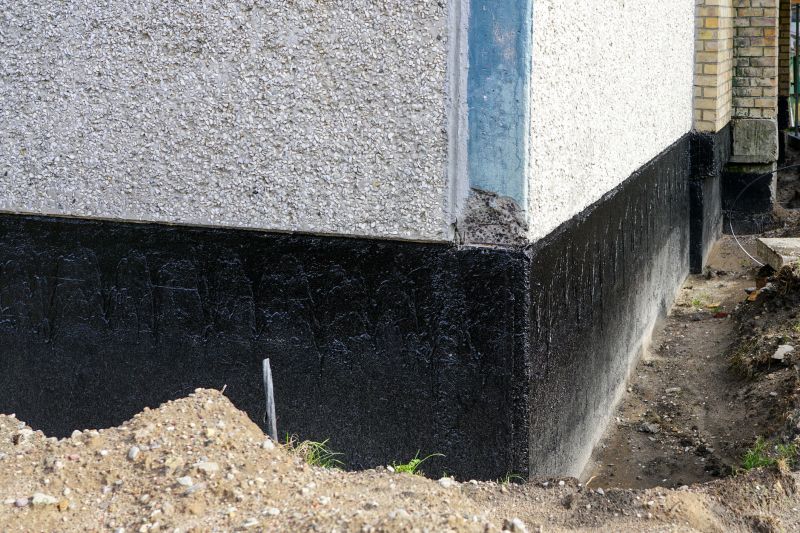
Simple add-ons that improve Waterproofings without blowing the budget.
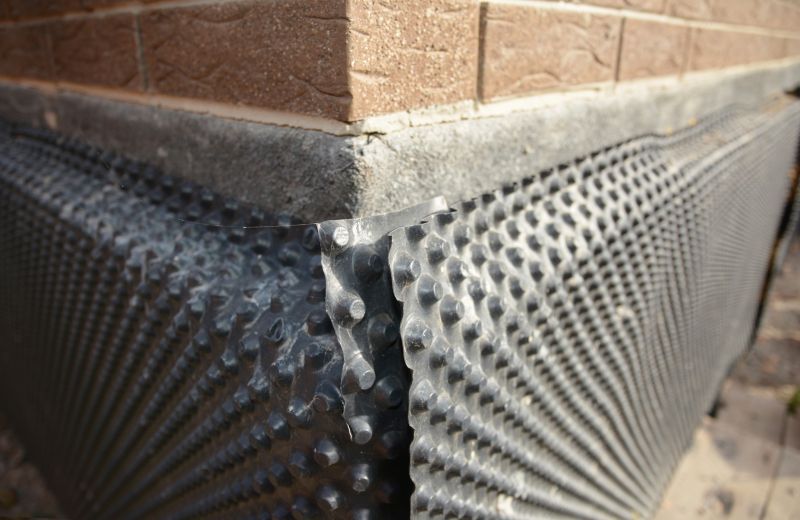
High-end options that actually feel worth it for Waterproofings.
Waterproofings are essential for protecting structures from water intrusion, which can cause significant damage over time. They are used in basements, roofs, foundations, and walls to create a barrier against moisture. Effective waterproofing extends the lifespan of buildings and reduces maintenance costs. Proper application at the right time ensures long-lasting results and minimizes the risk of water-related issues.
Statistics indicate that waterproofing failures often result from improper timing and application conditions. Ensuring that waterproofing is performed during suitable weather conditions can improve adhesion and curing. Additionally, advances in waterproofing materials have increased the durability and ease of application, making timing even more critical for optimal performance.
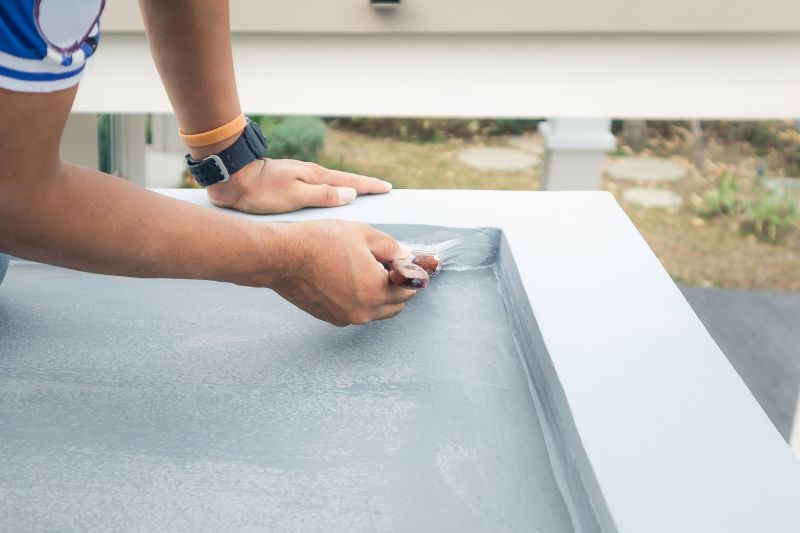
Finishes and colors that play nicely with Waterproofings.
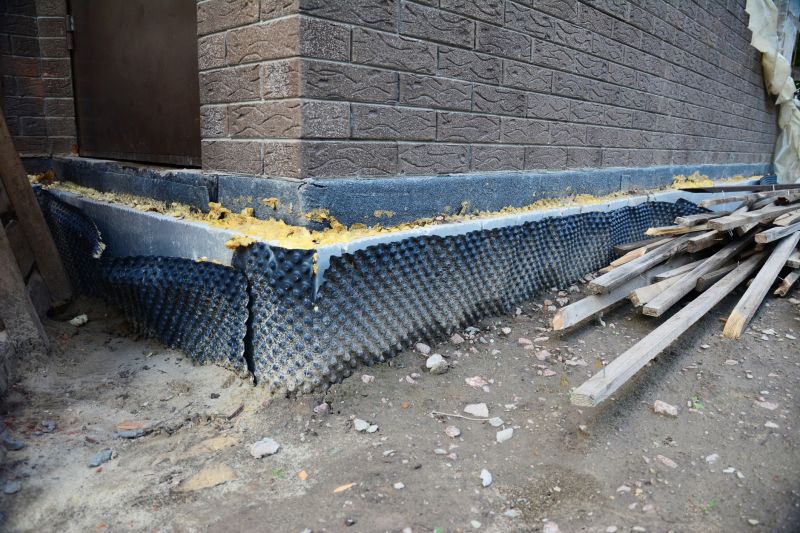
Little measurements that prevent headaches on Waterproofings day.
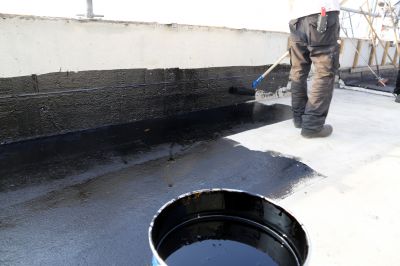
A 60-second routine that keeps Waterproofings looking new.
| Season | Ideal Conditions |
|---|---|
| Spring | Moderate temperatures, low humidity, dry weather |
| Summer | Consistent warm temperatures, minimal rainfall |
| Fall | Cooler temperatures, less humidity |
| Winter | Freezing temperatures, high moisture, not recommended |
Choosing the right time for waterproofing projects ensures better adhesion, longer-lasting results, and reduced risk of water intrusion. Consulting with waterproofing professionals can help determine the most suitable period based on local climate conditions and project specifics.